


- Why the HS Code for hookah products determines your profit m
- HS Code for Hookah Products: Component by Component Guide
- US HTS vs. EU CN Code: Key Differences in Hookah Classificat
- How To Decide The HS Code For Hookah Exports
- Consequences of Wrong Classification
- Related Products: Hookah Components by Category
- Checking Your HS Code: A Quick Guide
Every hookah importer will share the exact moment of truth: their shipment arrives at the port of entry, the customs broker requests the HS code. Submit one wrong digit, and the container is yours to lose to bonded storage for multiple days while the duty rate doubles. This is more common than you may think.
The Harmonized System (HS) classifies each globally traded product by a six-digit code. For hookah products, the HS code identifies your customs duty rate, your import tariffs, and which governing bodies will inspect your goods. The correct code is an absolute necessity, as it is the most important step of your import proces
The correct HS codes for each major hookah product, the differences between the U.S. HTS and EU CN code systems, and the consequences for incorrect code classification will be addressed in this guide. You will be able to specify details for your customs broker on your next shipment.
Why the HS Code for hookah products determines your profit margin.
HS codes aren’t just a bureaucratic convenience. They are the correct key to your duty rate and determine your eligibility for preferential tariffs. They also help the FDA, TTB, or other customs agencies to determine which goods deserve special attention.
Classifying your product within the correct harmonized system or verifying the correct hookah customs code means answering the question, “What does the government think my product is?”. The classification holds serious consequences of an incense stick tube stem being rated/ classified legally for duty purposes as a kitchen instrument (Chapter 73) instead of being legal for smoking 水ギセルのアクセサリー. This would mean an incense stick tube stem would legally fall as an instrument from a legal kitchen, thus a smoking accessory legally under Chapter 24 provisions of the unlawful tobacco products in the chapter. 水ギセルのアクセサリー
The risks are real and the costs high. A US importer of hookah products who misclassified silicone hoses under the general category of plastics instead of the correct heading of Rubber and Plastic Tubes, paid an additional 4.2% on duties across 12 shipments valued at USD 18,000 due to a routine audit. This money would have paid for a new lounge location. 水ギセルのホース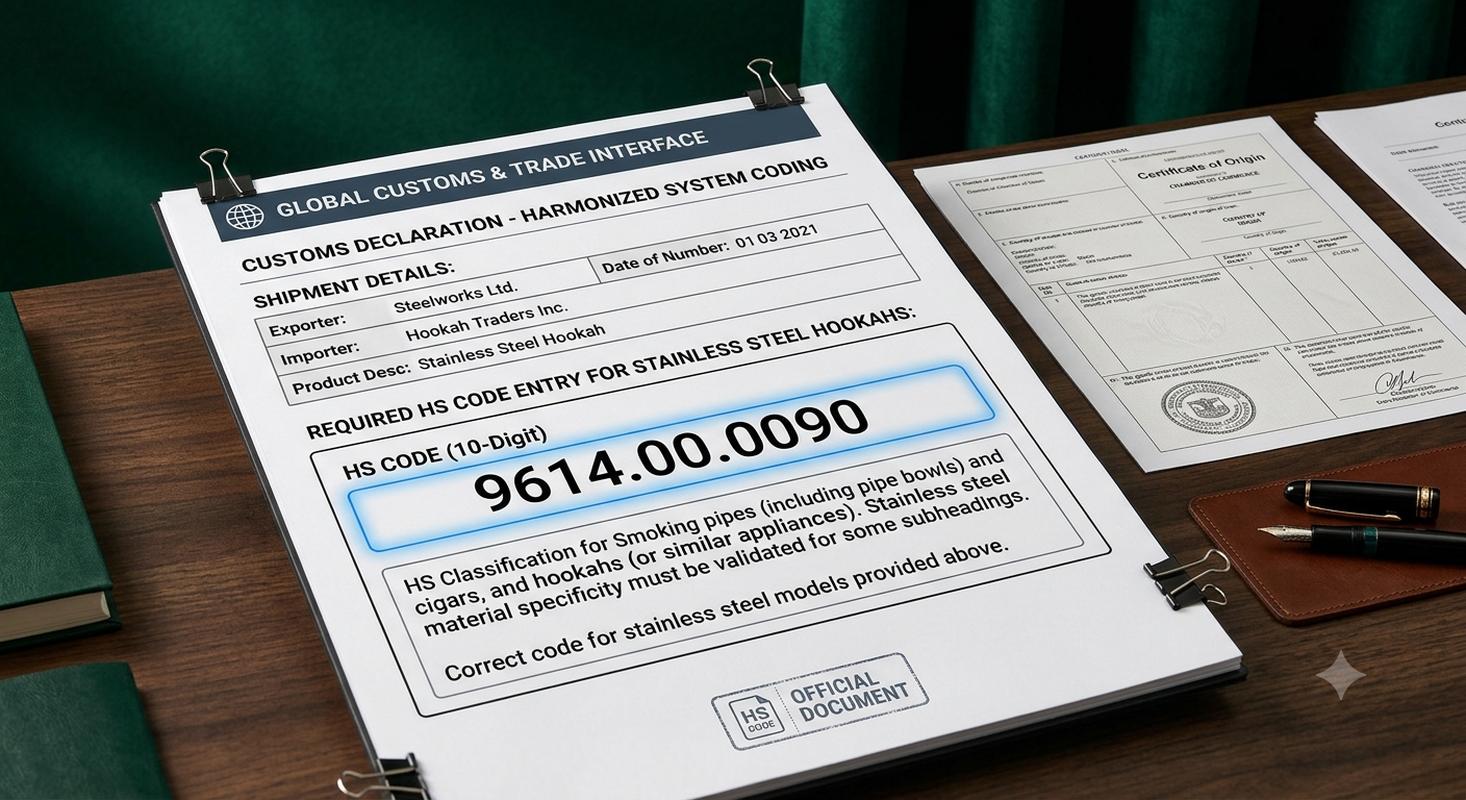
HS Code for Hookah Products: Component by Component Guide
A complete hookah is made up of eight different parts, and each of these parts is classified under a different chapter of the Harmonized System. The classification for each piece is detailed below.
1. Stainless Steel Stem — HS 7323 / 7326
The hookah stem is the metal tube that is the center of the hookah, connecting the bowl to the 水ギセルの台座. The metal stem in the Harmonized System most likely falls under one of the two headings.
HS 7326: Other articles of iron or steel. Some customs authorities assign a classification under 7326 to a hookah stem (a technical/smoking apparatus as opposed to a household item). The US rate under 7326.90.86 is 2.9%. In the EU Combined Nomenclature, the rate is approximately 2.7%.
Which code applies? If the stem is mainly decorative or rests on a table like a serving item, then 7323 is the code. However, if the stem is a precisely engineered technical part that has modular connections, purging systems, and diffusers, then you would consider using 7326. This should be up to your customs broker with proper technical analysis, but many importers generally use 7323 as the classification code for hookah stems within this range.
2. Glass Vase — HS 7013 / 7020
This component that holds the water is a glass vase or glass base. This component is the cause of a lot of classification disputes, as it can truly be assigned under two headings.
HS 7013: Glassware of a kind used for table, kitchen, toilet, office, indoor decoration or similar purposes. Covers decorative or ornamental glassware that is used as a table item. Rates of duty: US 4.5% to 7.2%; EU 3% to 6%.
HS 7020: Other articles of glass. This is the leftover class that includes articles of glass that are not otherwise described. Rates of duty: US 3.6% to 5.4%; EU approximately 3%.
7013 and 7020 hookah classifications are important because 7013 attracts higher duties in most jurisdictions. This difference can be critical depending on how a stylish and tradeable picture of a hookah vase on a website is produced and how the vase would be integrated into a hookah system. If the vase is factory supplied with a metal downstem and グロメットの交換 fitting, it is a function of a technical glass component and 7020 is the correct classification. If the vase is a decorative glass piece, then 7013 is the perfect classification.
3. Ceramic Bowl – HS 6911 / 6912
Hookah bowls are made from ceramic, clay, or porcelain. The HS classification depends on the material composition and whether the bowl is glazed.
HS 6911: Covers porcelain or china tableware, kitchenware, and other household articles. This should be used for high-fired porcelain bowls with a glossy glaze. The duty is typically in the range of US 5.4% to 8.5% or EU 4% to 7%.
HS 6912: Covers ceramic tableware, kitchenware, and other household articles (other than porcelain). This covers stoneware, earthenware, and other clay bowls that are not fully vitrified porcelain. The duties are generally lower in the range of US 2.6% to 5.5% or EU 3% to 5%.
Most phunnel-style bowls and traditional Egyptian-style bowls on the market fall under 6912. If you are importing high-end hand-painted porcelain bowls, 6911 is the correct HS code for hookah products in the bowl category.
4. Hookah Charcoal — HS 4402
Hookah charcoal made from coconut shells and bamboo shells falls under HS 4402: Wood charcoal (including shell or nut charcoal), whether or not agglomerated. For coconut shell charcoal, the more precise heading is HS 4402.90 for charcoal of coconuts. Duty rates are generally 0% in many developed nations due to the WTO tariff commitments. However, the primary challenge is not the duty — it is the paperwork.
Several nations, including the United States and European Union member states, require a phytosanitary certificate due to the suspicion of charcoal imports containing charcoal infested or infected with pests or pathogens. Getting the HS code right is the first step; the right certificates must come next.
5. Shisha Tobacco (Molasses) – HS 2403
Shisha, or molasses, tobacco, is classified under HS 2403 as “Other manufactured tobacco and manufactured tobacco substitutes; homogenized or reconstituted tobacco; tobacco extracts and essences.” The specific subheading is HS 2403.11 provided in the Harmonized System Explanatory Notes.
This is the section where the import classification of hookah products becomes closely controlled. For the United States, the Tobacco Trade and Tax Bureau (TTB) has mandated that an import permit is provided and an excise tax is levied on the tobacco goods in question. The current federal excise tax on hookah tobacco is approximately USD 1.51 per pound (as of 2025), plus state taxes, where applicable.
The excise duties on EU CN code 2403.11.00 within the EU vary heavily among member states. Germany sets its lower end excise duties on hookah tobacco at around EUR 15.60 per kg, whilst France sets theirs at about EUR 24 per kg. Compared to excise duties, the customs duty rate ranges from 0% to 1.5%, making the HS code classification important as it determines not only the tariff but the entire tax.
6. Silicone Hose — HS 3917 / 4009
Silicone rubber hookah hoses also have a classification split. Wire hoses and other hookah products have separate HS codes depending on the classification of the product.
HS 3917: Tubes, pipes, and hoses and their fittings, of plastics. This classification is for silicone hoses. The duty rate for silicone hoses, EU CN code, falls at approximately 3.1%, and the duty rate at the EU is around 4.5%.
HS 4009: Tubes, pipes, and hoses of vulcanized rubber other than hard rubber, with or without their fittings. If the hose contains rubber blended with silicone, this code applies. The duty rate for the US falls at approximately 2.5%. For washable silicone hoses that have removable ends, the classification of material is more important than the function, therefore, determine the HS code based on the material of the hose.
7. Mouthpiece — HS 3924 / 7323
Disposable tips and mouthpieces also have a classification split due to their material:
HS 3924: Tableware, kitchenware, other household articles and toilet articles, of plastics, are classified under this HS code for disposable mouthpieces made of plastic. The duty rate for the US falls within the range of 3.4% to 5.2%, and for the EU, it is approximately 3.5%.
HS 7323 (as above): The same household articles heading that covers the stems also applies to reusable mouthpieces made of stainless steel or aluminum. The duty rate is the same as the stem classification.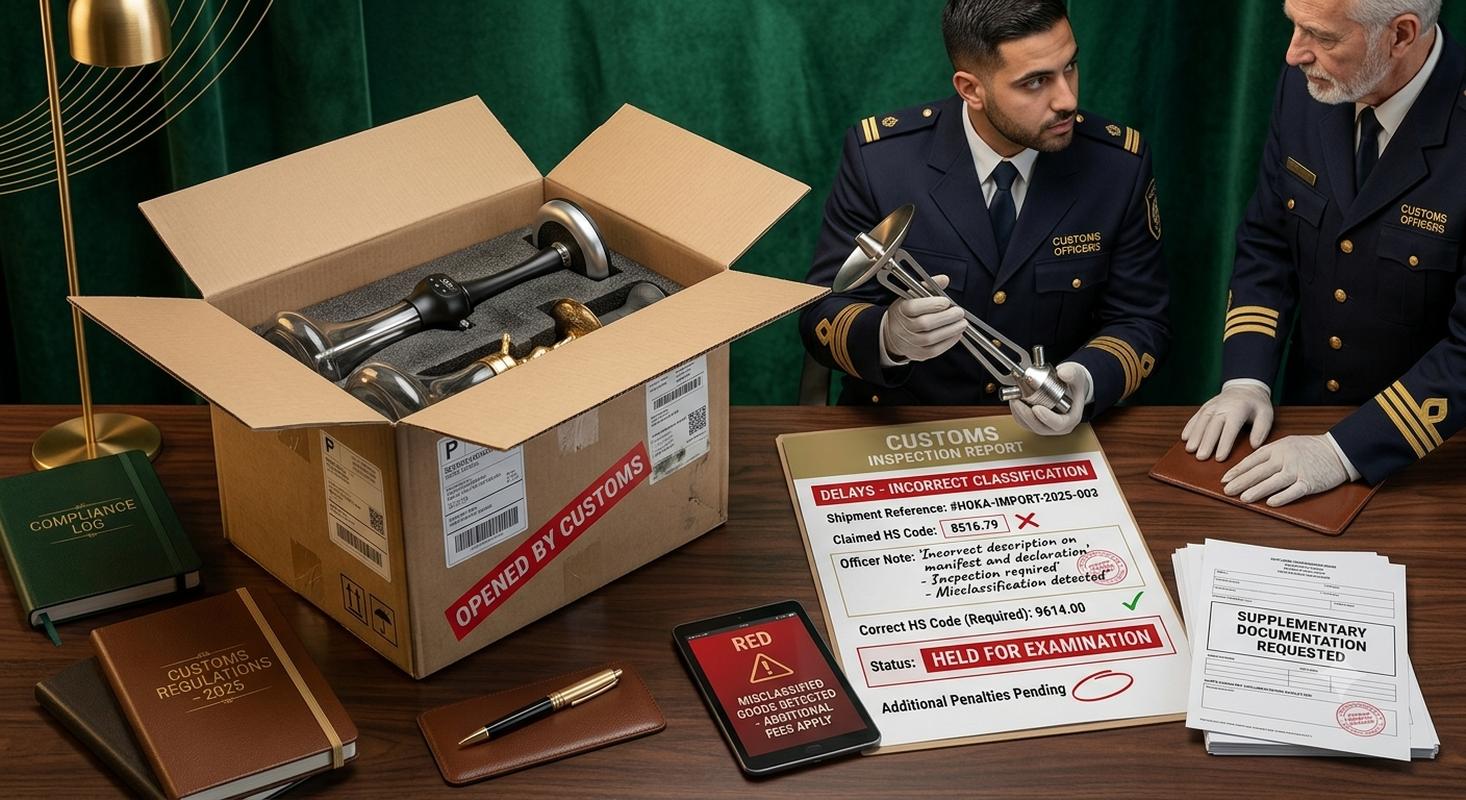
US HTS vs. EU CN Code: Key Differences in Hookah Classification.
The first six digits of the code are from the Harmonized System. The US and EU stretch theirs to 8, 10, or even 14 digits, and in ways that differ from each other. The difference affects the duty rate by a few percentage points.
In the US, the Harmonized Tariff Schedule (HTS) employs 10-digit codes. For example, an 8-digit subheading 7323.93.00 corresponds to stainless steel articles of a kind used for table, kitchen, or other household purposes. The 10th digit may make it duty-free or impose a duty rate of 4.2%. The US also applies the general rate of duty (Column 1) versus Column 2 for non-MFN countries.
In the EU, Combined Nomenclature (CN) codes contain 8 digits. An EU CN code of 7323.93.10 corresponds to stainless steel articles for table use. The EU applies additional 4-digit TARIC codes (for a total of 12 digits) that reflect anti-dumping duties, import suspensions, or quota restrictions on certain product categories.
An example: US HTS code 7013.99.50 (other glassware) for glass hookah vases carries a duty of 7.2%. The EU CN code 7013.99.00 carries a duty of 6.0%. That 1.2% difference on a EUR 50,000 shipment is EUR 600 — real money that determines landed costs.
The hookah import tariff depends on the smoking tool’s destination or where you are sending the shipment. For instance, the US will include hookah tools as a different 10-digit HS code than the one assigned for shipment to Europe.
How To Decide The HS Code For Hookah Exports
These are things to consider for the first import:
Step 1 — Identify the component material. The items that comprise a hookah are classified based on their material and not on their function. Therefore, a stem that is made of stainless steel is classified under Chapter 73 (base metals) rather than a category of general smoking accessories.
Step 2 — Use the Harmonized System Explanatory Notes. The World Customs Organization (WCO) has an illustrative guide to the explanatory notes that are relevant for each of the HS codes. The HS codes and the respective explanatory notes also have a classification of items that don’t fall under that specific HS code. For instance, in HS 7323, the explanatory notes specify that it also includes household items, but excludes machinery and other mechanical devices.
Step 3: Review the Customs Rulings. In the US, the Customs Border Protection (CBP) issues Import Letters for the classification of specific goods. Logs of these letters are also available. In the EU, a similar process for the classification of goods exists and is referred to as Binding Tariff Information (BTI).
Step 4 — Written Rulings for Large Shipments Should You Import Hookah Products. If you import hookah products worth over USD 50,000 annually, you should obtain a binding ruling with the customs authorities. This binding ruling protects you against re-classification conflicts during customs audits. This ruling lasts for three years across both the EU and the US.
Step 5 — Choose a customs broker who is licensed and has dealt with hookah products. Most customs brokers are not well-versed on the classification differences between HS 7323 and 7326 for stems, or 7013 and 7020 for vases. Ask them for their experience within the smoking accessories and tobacco sector.
Consequences of Wrong Classification
The consequences of incorrectly classifying go beyond overpaying the wrong duty.
Duty underpayment penalties: If the US CBP finds that a duty was intentionally lowered by a misclassification, a penalty of 80% of the duty paid in addition to a duty underpayment interest will be charged. For misclassifications made without intent, the penalty is the duty underpayment interest capped at 20%.
Delivery holds and additional storage costs: If a shipment is re-reviewed, it is held at the port and will incur a daily storage cost. Major US ports charge between USD 150 and USD 400 a day to hold a shipment. At minimum, a 5-day hold for re-classification costs between USD 750-2,000, also considering the delayed transport to the warehouse a delivery hold incurs.
Regulatory Referrals: Classifying your hookah tobacco under the wrong Chapter 24 heading makes your shipment vulnerable to the TTB (US) or the Customs Authority (EU) for further investigation. Damage is done to your business if clearance is delayed for 30 to 90 days and shipment is seized due to violation of importation rules.
Audit Risk: The Customs do post-importation audits. For the incorrect HS code on previous shipments, the affected entries owe back duties plus interests. This spell financial disaster for the company importing hookah products for three years due to wrong coding which means hundreds of thousands of dollars must be paid.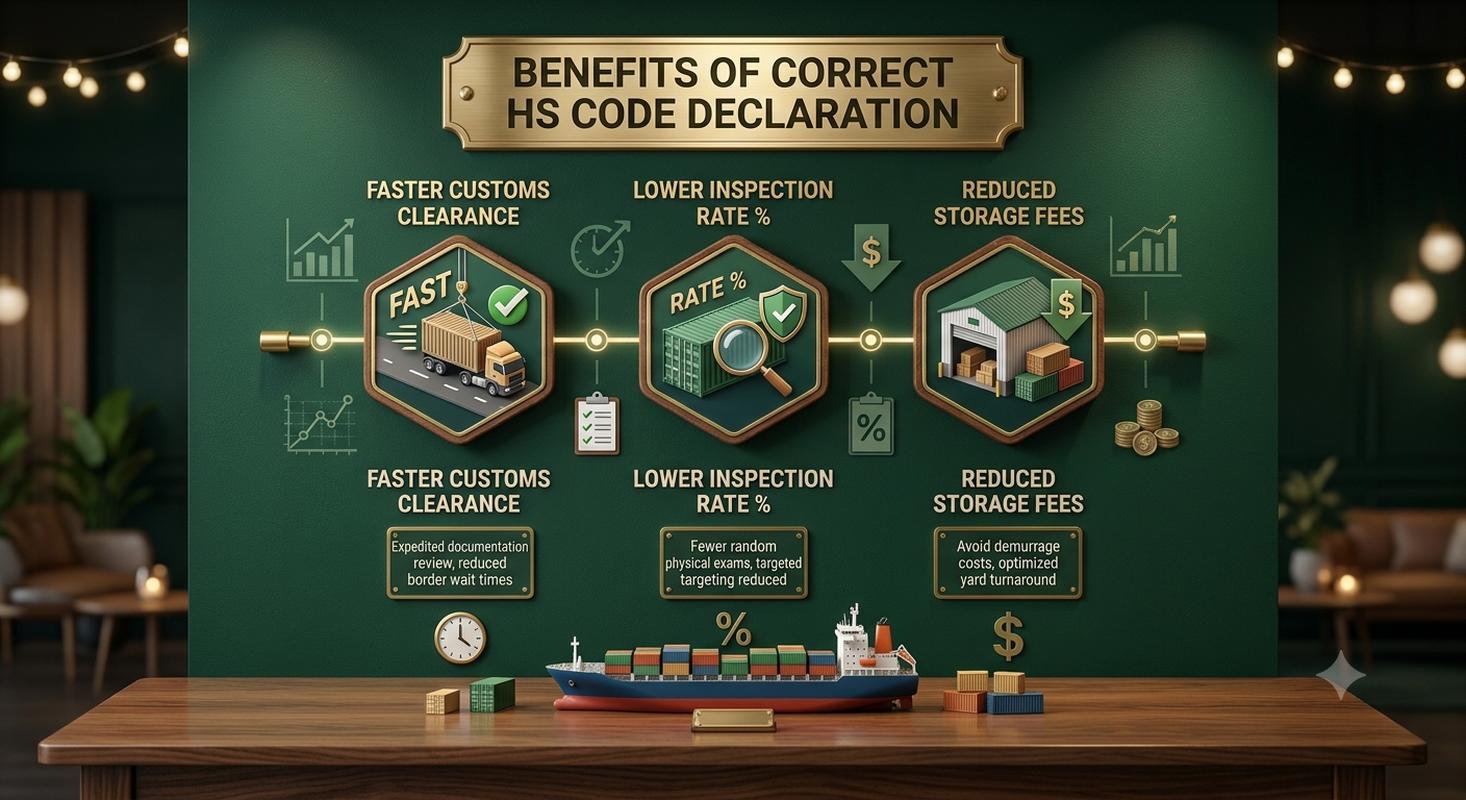
Related Products: Hookah Components by Category
With the correct harmonized system hookah classification for components, you can look through categories for products to purchase through t防錆ed suppliers. Linkup Hookah’s quality for production hookah hardware and accessories for B2B customers is consistent.
hookah stems and base sets collection For HS 7323, check out our stainless steel V2A stems. Each stem is manufactured with controlled threading and corrosion resistant, modular, and ready to connect. When you order in bulk, we include materials certificates to assist in customs classification.
glass hookah bases and ceramic bowls For bases, we have options for standard bases and bases that are hand blown. Each of our shipments contains a list of materials to help your customs broker determine the HS code without opening the boxes. Each base that leaves our facility is tested to ensure a down stem fit.
Browse our catalog for every hookah product and component, including silicone hoses, mouthpieces, and Heat Management Devices (HMDs). Every product page includes materials and dimensions to aid you with your HS code classification.
Checking Your HS Code: A Quick Guide
Prior to submitting your customs declaration, check the following:
[ ] Confirmed material (metal, glass, ceramic, plastic, rubber, tobacco)
[ ] Six-digit HS code as per the WCO Harmonized System Explanatory Notes
[ ] Verified eight or ten-digit national code per the destination country’s tariff schedule
[ ] Include calculated duty in the landed cost model
[ ] Identify excise tax or other regulatory conditions and requirements (particularly for tobacco goods)
[ ] Issued Certificate of origin to claim preferential duty under the FTA
[ ] Customs broker reviewed and agreed to the classification prior to shipment
Final Thoughts on Hookah HS Codes
Hookah HS classification codes are not the sole responsibility of the freight forwarder, and in order to be successful in the tobacco importation, you need to be knowledgeable regarding the classification.
You need to know the component, review the binding ruling, see the explanatory notes, and finally seek the authority of a custom’s broker. Harmonizing tobacco will determine your customs penalty.
One HS code will guarantee 100 shipments.
Disclaimer: The HS codes listed within this guide are purely for informational purposes. They do not provide legal advice or advice related to customs. Various customs classifications can differ depending on specifications related to the product, country of import, changes to schedules of tariffs, etc. One should always speak to a customs broker with licensure or request a formal ruling from the customs authority related to imports before closing your declaration of imports. Customs laws and duties may fluctuate.