


When a juegos de narguile is first used by a guest in a lounge, feedback is guided by features that guests will never see. These include: wall penetration of the downstem, the precision of threaded joints, O-ring seals, and strength of the stainless steel. When purchasing in B2B markets in China, world-class suppliers and sub-par suppliers are separated by tenths of a millimeter – and that is the gap we aim to eliminate with our vetting process. hookah accessories our full hookah collection
At Linkup Hookah, we have spent several years perfecting a protocol designed to leave no stone unturned in our **hookah manufacturer vetting China** process. We don’t buy from catalogs. We don’t place blind faith in Alibaba. We vet every prospective source by subjecting them to an extensive process of on-site audits, provision of material certifications, sample assessments, and batch-specific quality checks before they get the chance to supply your lounge or bar.
In this review, we reveal our top secrets for evaluating hardware from leading Chinese suppliers. Whether it’s your first purchase or a change of suppliers, this knowledge will help you make smarter and safer procurement decisions.
1. On-Site Factory Audits: The Critical First Step
Direct factory audits are the foundations for any credible **hookah manufacturer vetting China** program. We do not depend on the reports of third-party brokers or other self-reported documents. The sourcing team directly visits and evaluates the factory from the perspective of three critical criteria.
Manufacturing Capacity and Equipment
Particular equipment is essential for producing hookahs. In this case, we need CNC lathes with tolerances of ±0.05 mm, automated polishing stations for uniform surface finishes, and dedicated workstations for joining pieces together by welding. Although a factory that produces general metal components for automotive or plumbing applications may have the machines, they may not have the specific fixturing and jigging for hookah geometry. We ensure that the factory has purpose-built tools for stem bores, downstem inserts, and threads that satisfy our specifications.
While conducting the audit, we also evaluate the capability to produce. If a factory has stated that they can produce 2,000 units per month, they should have the available CNC spindle hours, bench space for assembling the units, and the available skilled labor for producing the units. The actual amount produced is always measured by observing the cycling times, the work shifts, and the amount of work that is automated as opposed to manual.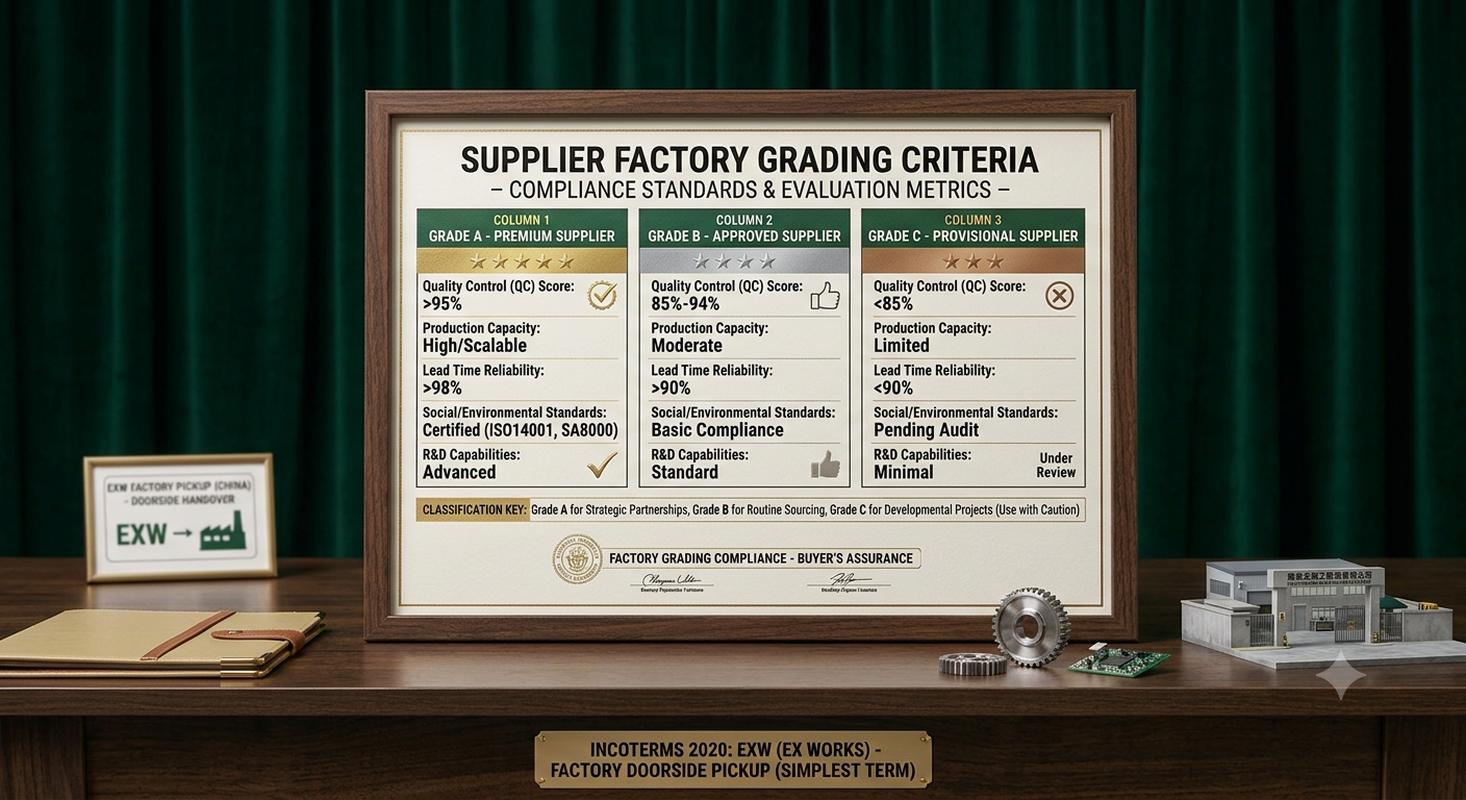
Systems of Quality Control
Without systems to detect defects, equipment is of little use. As part of the audit, we examine the in-process quality control (IPQC) and final inspection (FQC) systems of each factory. Primary questions revolve around whether operators check dimensions at regular intervals while producing or if the factory maintains documented standard operating procedures (SOPs) for each step of the assembly or maintains dedicated areas for non-conforming or defective units.
Factories that successfully pass this step of the audit generally have digital calipers, go/no-go thread gauges, and pressure-testing along with traceability systems—batch numbers stamped on components, lot tracking in ERP systems, and dated QC checklists with signatures from inspectors.
Export Qualification and Compliance
If a factory cannot export, it cannot provide your company with products. We assess the validity of business licenses, export permissions, and compliance with the international product safety laws of your target market. For products that are shipped to the USA, we check to see whether the materials and coatings comply with the FDA for food contact. For products that are sold to the European market, we check if REACH and RoHS standards are met. A factory’s experience with customs documents, harmonized trade codes, and commercial invoices tell us if they are a real export partner or just a supplier testing the market.
2. The Difference between 304 and 316 Stainless Steel and Food Grade Silicone
Hookahs are in contact with water, heat, and consumables. Therefore, the materials that come in contact must be safe and durable. This is the reason why we make material certification a requirement in our **hookah manufacturer vetting China process.
304 vs 316 Stainless Steel – Selecting the Right Steel
The industry standard for commercial hookahs is austenitic stainless steel; however, not all stainless steel is equal. For marine grade stainless steel, we use grade 304 (18/8) as the standard that we accept for the stems, down stems, and purge assemblies. For environments with a mild to aggressive cleaning regimen, we may use grade 316. 316 is used for environments with chlorine and saline solutions which are used for aggressive cleaning.
We require the mill test certificates (MTC) from all the factories and suppliers where we buy components. These must show the actual steel batch’s chemical makeup and the mechanical properties. A factory unable to provide MTCs from their upstream steel suppliers is treated with skepticism. We also conduct random tests to see if nickel and chromium content is equal to the documented grade, using a portable XRF during factory visits. Steel supply chains are known to have the problem of Counterfeit and Substituted Steel, and the XRF tests easily outwit the verification.
Food-Grade Silicone Certifications
Silicona tubos para cachimbass, grommets and hose port seals should be made from silicone; anything else is a polymer blend, or a cheap PVC or TPR hose which will emit a horrible smell or degrade from the heat. A factory must submit certificates for food-grade silicone from the raw material supplier along with migration test (tests of how much of the polymer passes from the silicone hose to the simulants when subjected to heat) and siloxane volatility. For products shipped to the EU, we check for LFGB certification, and for US clients, FDA 21 CFR 177.2600.
While evaluating samples, we perform a simple, but effective, burn test. Silicone should burn with a clean flame, produce white smoke and white ash. Degrading PVC, and other polymer blends, emit a chemical smell, and produce black smoke and soot. No certification can replace the reliability of this simple test.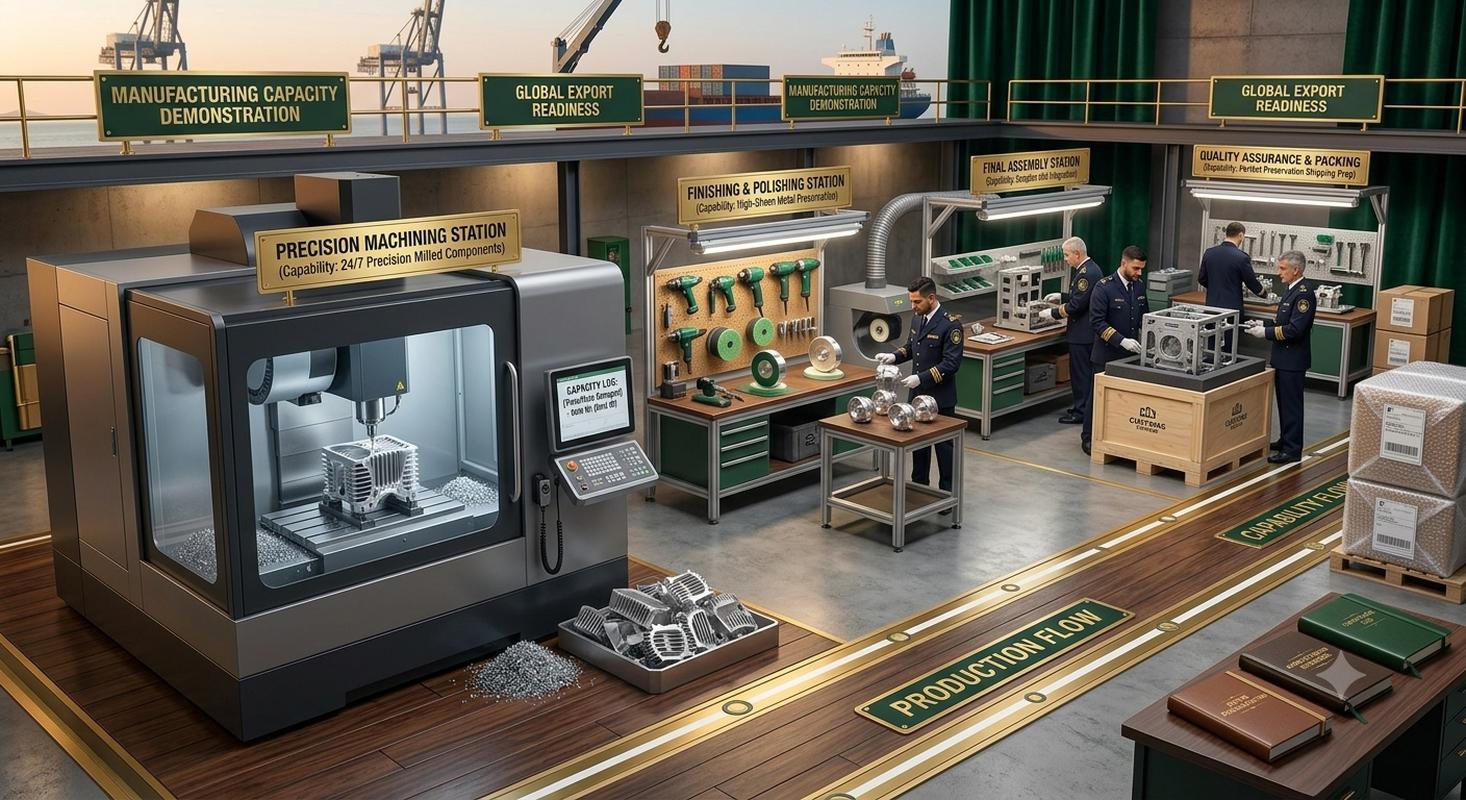
3. Sample Evaluation: Where Specs Meet Reality
In the sourcing process, samples are where the truth shines. A factory can pass an audit and provide all the necessary documents, but they can still ship samples that fail the most basic functional tests. Our sample evaluation procedure has four key components. This is where our **China hookah factory audit** training is utilized—knowing what exactly to test and how to analyze the results.
Cutting and Wall Thickness Assessment
We cut sample tubes and stems and measure the wall thickness using digital micrometers. Commercial quality hookahs have a wall thickness of 1.2 mm minimum on the main stem body and 1.0 mm on the downstem. Walls that are thinner have a cheap quality feel, can dent during shipment, and can develop vibration or ringing during use. To look for eccentricity, which is unbalanced wall thickness due to poor machining setup, we take multiple measurements around the circumference.
Weld Evaluation
Welds are a structural weakness. We evaluate every weld on the sample for porosity, which are tiny gas pockets that are trapped in the weld bead, incomplete fusion, burn-through, and excessive heat discoloration in the surrounding metal. For stainless steel hookahs, the interior of a weld should be argon-purged to prevent oxidation scaling, and the exterior should be smooth and fully penetrated. A weld that is cosmetically pleasing to the eye on the exterior and has good surface finish on the interior will eventually crack due to thermal cycling. This is a clear indication of quality **stainless steel hookah manufacturing**.
Thread Precision Testing
At every joint in a modular hookah setup – stem-to-base, downstem-to-stem, hose port adapters, or purge valve caps – we test the connections with go/no-go gauges that measure thread dimensions. Smooth and consistent fit that’s free of binding and unintentional gap constitutes good thread design. We also test the thread pitch, diameter, and flank angle. A deviation of just 0.1 mm in thread pitch diameter can turn a smooth assembly into a fprevención de la oxidaciónrating experience where parts cross-thread or gap.
We address custom threads that are common with hookah designs by comparing the actual thread design to the CAD with the agreed dimensions. Factories that consistently hold ±0.05 mm on thread dimensions are preferred suppliers.
Leak Testing – The Ultimate Functional Check
An air-leaky hookah is utterly unusable, and leak testing highlights assembly quality that no visual inspection can catch. We seal the hookah’s hose port, cover the top of the stem, and use a regulator to press the purge valve while the system is at a hookah-purge pressure of ~3-5 PSI. The pressure is expected to be steady with a drop of no more than 0.5 PSI for 30 seconds. We seal the downstem and submerge it in water for a visual of where the pressurized air is leaking. The purging assembly not sealing, the purge valve stem caps, and the weld seams on the body of the stem are the most common leak path.
4. Batch-Level Quality Control: AQL 2.5 and Dimensional Tolerances
Regarding a factory’s production capacity, audits and samples provide the details. For production consistency, we rely on Batch Quality Control (QC). Once a production run is finalized, we perform a statistical sample to check if the entire batch meets our standards before shipping.
Visual and Dimensional Defects: AQL 2.5
In accordance with the ANSI/ASQ Z1.4 (AQL 2.5) standard, we apply this benchmark when inspecting all incoming batches. An AQL 2.5 means a batch is accepted when the number of defective units discovered within the sample does not exceed the set quantity for that sample. In instances where leaks, stripped threads, and broken parts occur, we apply AQL 0.65 as a maximum acceptance level, and a zero-defect sampling as a minimum.
Our inspection checklist includes the following: surface defects (scratches, pitting, staining, tool marks), meeting specifications (±0.1 mm on critical mating surfaces), fit of threads and O-rings, and leak tests on all sampled units. If the defect count breaches the AQL, we either perform a complete inspection to remove defects and quarantine the batch, or we entirely reject the batch.
Dimensional Tolerances – The Importance of ±0.1 mm
The modular design of commercial hookahs means that gaps in production runs across different factories are not permitted. ±0.1 mm tolerances on the stem, downstem, and thread diameter can help to ensure that all production runs can be mixed together, which is advantageous to customers who want to order replacement parts and who need flexibility in configuring the stems, downstems, and bases when fulfilling various purchases.
Proposed: Engage an Independent Third-Party Inspection Company
While our stringent internal QC is part of every order, we advise clients to independently contract a third-party inspector, like SGS, Bureau Veritas, or QIMA, to conduct pre-shipment inspections. Third-party inspections ensure objective and unbiased reports that will substantiate our internal findings and safeguard your investments. It is only a fraction of the cost of receiving a non-conforming container (approx. $300-600/inspection day).

Products Based on This Vetting Process
All the products in our Linkup Hookah catalog, without exception, fall within the standards set by the vetting process. Below are three examples of hardware that exemplify this quality standard:
- Stainless Steel Commercial Hookah V3 — 316-grade stem, CNC-machined threads, argon-purged welds, and 100% leak tested before packing. Ideal for high-turnover lounges.
- Pro-Line Silicone Hose Kit — LFGB and FDA food-grade certified, 12 mm inner diameter, reinforced braid for kink resistance. Each hose is pressure-tested at the factory.
- Commercial Replacement Downstem Pack — Manufactured in 304 or 316 stainless, precision machined to ±0.05 mm tolerance. Compatible across and within many generations of Linkup stems.
Conclusion: Vet Before You Commit
A two-year lifespan of dependable service from a hookah is a result of a diligent vetting process. At Linkup Hookah, we consider **hookah manufacturer vetting China** the most important process of our supply chain. We conduct on-site factory audits to ensure a company has the capabilities to perform as they say and the ethics to match. We ensure materials certifications confirm that what’s on the spec sheet is what’s in your product. We conduct sample evaluations and batch QC to ensure designs flaws are caught and shipments are held to our quality bar before they become our customers’ issue.
Lounge owners, bar managers, and distributors are encouraged to ask their suppliers to describe their vetting process before placing an order. Manufacturers, like Linkup Hookah, who are confident in their processes, will likely have audit reports, material certificates, and QC records to share. Suppliers who are less willing to share these types of documents are telling you everything you need to know.
Are you interested in sourcing hardware to commercial standards, that has been tested and certified? If so, reach out to the Linkup Hookah Team to discuss your specifications, request samples, or book a virtual factory tour. We pride ourselves on quality—we guarantee quality in all our shipments.